
As education continues to evolve in a digitally transformed world, so too does the way we conduct, analyse and share research. From artificial intelligence (AI) and data visualisation to digital research tools and research ethics, technology is creating new opportunities for researchers while also raising important questions about responsible and ethical practice.
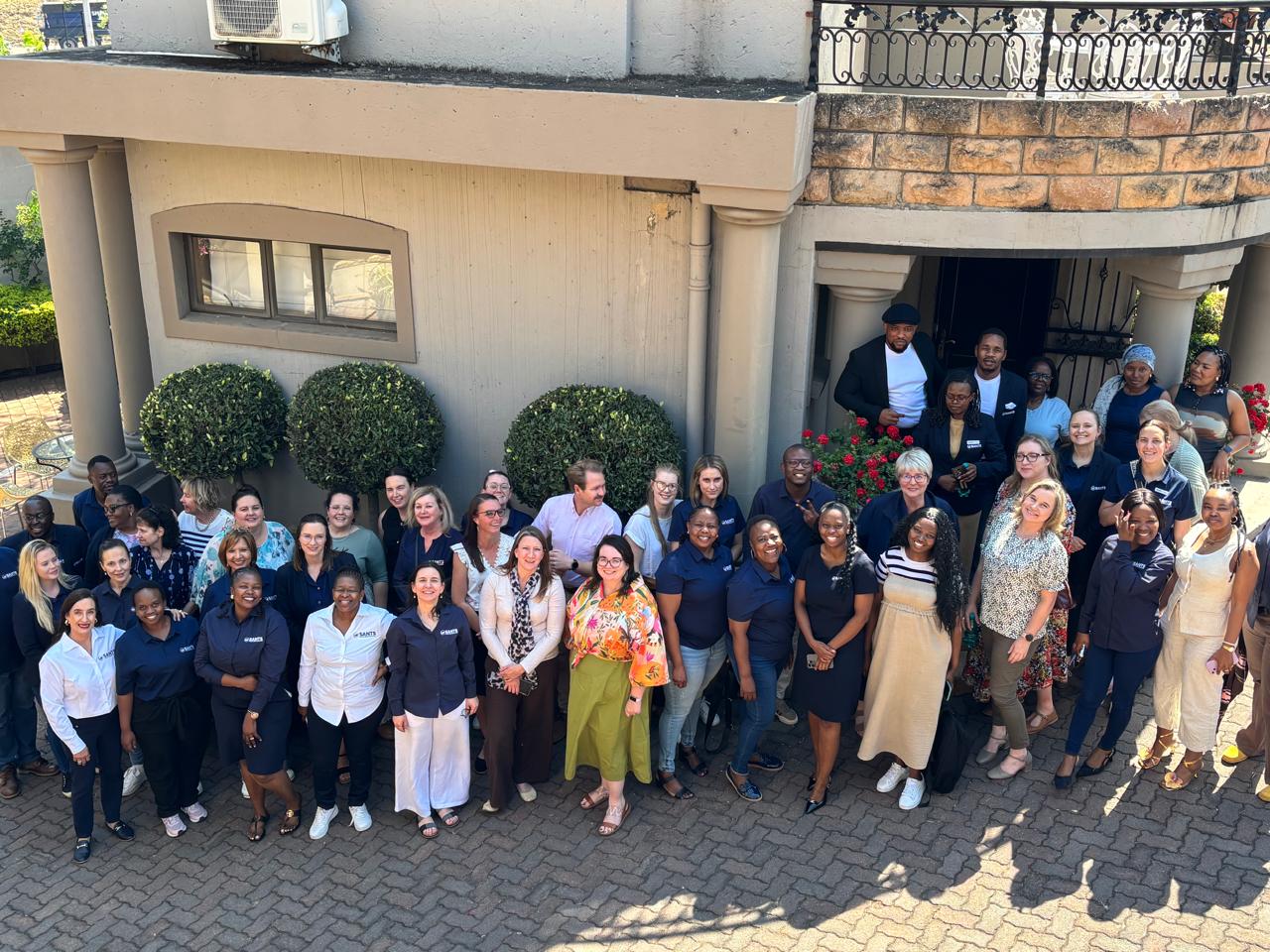
These themes took centre stage at the Research in a Digitally Transformed Education Landscape Professional Development (PD) Seminar, which brought colleagues together for a day of learning, reflection and collaboration.
The seminar was opened by Prof Ina Joubert, who introduced the Master of Ceremonies, Barima Akontoh, before welcoming keynote speaker Prof Janelize Morelli.
Turning research data into meaningful insights
Prof Morelli’s presentation explored a range of digital tools that can support researchers throughout the research process.
One of the first tools introduced was Datawrapper, a web-based platform that enables researchers to transform data into engaging and accessible visual representations. The discussion highlighted an important principle that can sometimes be overlooked: effective data visualisation begins with quality data.
Before data can be transformed into graphs, charts or other visual formats, it needs to be properly cleaned, structured and prepared. Poorly organised or inaccurate data can compromise the quality of the final visualisation and, ultimately, the conclusions drawn from it.
The seminar then turned to Causal Maps, a tool that can assist researchers in visualising relationships between different factors and identifying cause-and-effect connections emerging from interview responses. This makes the tool particularly useful when working with qualitative research, where researchers need to code information and identify themes and relationships within their data.
Another tool introduced was CATMA, which can support researchers working with literature-based research. While CATMA uses the term annotation rather than coding, the underlying principle is similar: researchers systematically identify, organise and interpret relevant information within their data.
Digital research tools that can strengthen the research process
The seminar also introduced several other digital tools that researchers can incorporate into different stages of their research.
These included:
- RefWorks and Zotero for managing references and organising sources;
- Flourish as another option for creating engaging data visualisations;
- OpenRefine for cleaning, organising and refining data; and
- ResearchRabbit for supporting literature reviews and helping researchers discover relevant scholarly sources.
Together, these tools demonstrate how digital platforms can assist researchers with tasks that range from managing academic sources and preparing datasets to identifying literature and presenting research findings in accessible ways.
However, the message was clear: technology should complement sound research practices rather than replace them.
AI in research: innovation must be guided by ethics
One of the important discussions during the seminar focused on the growing use of Artificial Intelligence in research.
As AI tools become increasingly accessible, researchers have new opportunities to support aspects of their work. At the same time, their use introduces ethical considerations that cannot be overlooked.
Prof Morelli emphasised the importance of obtaining approval from an institution’s Ethics Committee before incorporating AI tools into a research project. Where applicable, the use of AI should therefore be considered and appropriately addressed as part of the ethical considerations in a research proposal.
This serves as an important reminder that digital transformation in research is not simply about adopting new technologies. It is also about ensuring that these technologies are used responsibly, transparently and in accordance with established ethical principles.
Strengthening research through institutional collaboration
Following the lunch break, Dr Marna Hendriks introduced colleagues to the recently established SANTS Research Committee and its members.
The presentation highlighted the committee’s role in supporting and advancing research within the institution. A new portfolio dedicated specifically to Research Ethics was also introduced, with a focus on developing appropriate protocols and procedures for research ethics applications.
The committee’s strategic objectives and priorities provided an opportunity to consider how research can continue to grow and become more embedded within the institution.
Establishing clear structures and processes for research ethics is an important step towards creating an environment in which research can flourish while maintaining high standards of integrity and responsible practice.
When teacher wellbeing becomes part of the research conversation
Research is not only about data, technology and academic processes. It is also about people.
This was brought into focus during Dr Tiané Viviers’ presentation on an initiative undertaken by the SANTS Sparkles Team, which explored the wellbeing of teachers at New Hope School, a Learning Support and Special Educational Needs (LSEN) institution.
The presentation featured powerful visual representations created by teachers, using artistic expression to reflect on the aspects of their lives and work that hold the greatest significance to them.
Beyond the creativity of the activity was an important message: teachers need to prioritise their own wellbeing and self-care.
Teachers are often expected to give their best every day, support their learners, manage demanding responsibilities and maintain high levels of performance. Yet, behind these responsibilities are individuals who also need space to reflect, recharge and care for themselves.
The presentation offered an opportunity to look beyond the traditional measures of educational success and recognise the importance of the wellbeing of those who make education possible.
From learning to action through Communities of Practice
The final session of the seminar shifted the focus from presentations to participation.
Colleagues divided into their respective Communities of Practice (CoP), creating space for open discussions around existing processes and procedures. Participants shared ideas, identified areas for improvement and explored possible strategies for strengthening their respective practices.
Importantly, these conversations did not end when the seminar did. It was agreed that feedback and recommendations emerging from the CoP discussions would be taken forward and explored during future scheduled meetings.
This collaborative approach reflects one of the central strengths of professional development: learning becomes most valuable when it leads to meaningful conversations, shared ideas and practical action.
Looking ahead
The Research in a Digitally Transformed Education Landscape PD Seminar offered far more than an introduction to digital research tools. It created a space to consider what research looks like in an increasingly digital environment—and what researchers need to keep in mind as they navigate this changing landscape.
From data visualisation and qualitative analysis to AI, research ethics, teacher wellbeing and Communities of Practice, the seminar highlighted the interconnected nature of research and professional practice.
As digital transformation continues to reshape education, researchers have an expanding toolkit at their disposal. But alongside innovation must come careful data practices, ethical responsibility, collaboration and a commitment to the people at the heart of education.
The seminar concluded with a wrap-up of the day’s key discussions by MC Barima Akontoh before closing at 16:00, leaving participants with new ideas to explore, questions to consider and opportunities to contribute to the continued growth of research at SANTS.


